

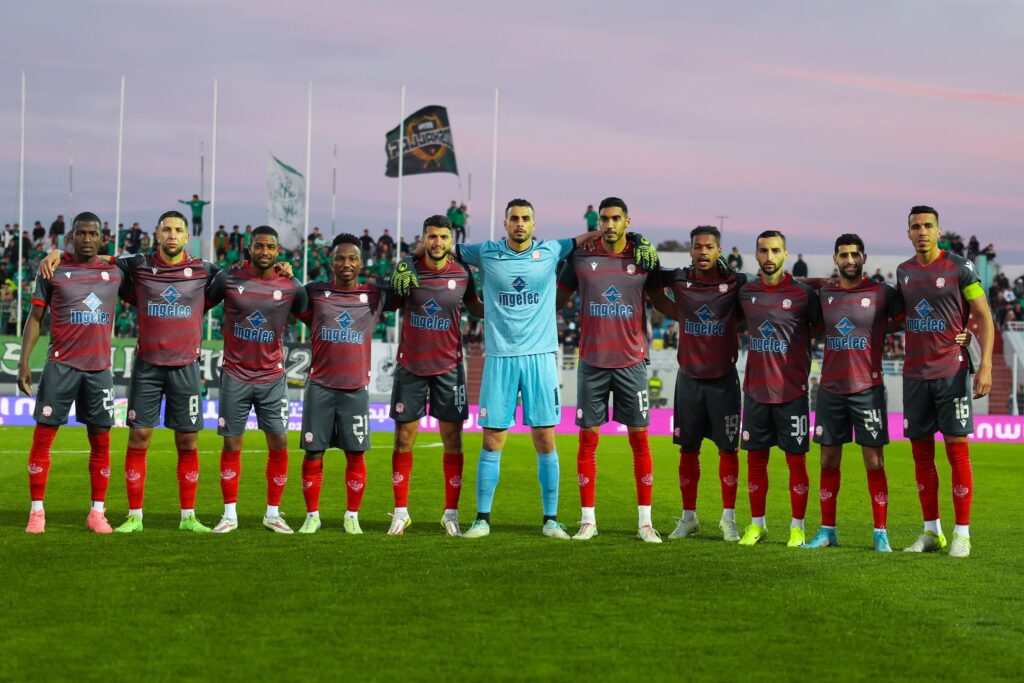


Football holds an unparalleled place in Moroccan culture, and 2025 is a landmark year for the national league system. With significant advancements in infrastructure, youth development, and competitive formats, Morocco’s football divisions are stronger and more vibrant than ever. This article delves into the structure of the league, its divisions, key teams, and how Morocco’s football ecosystem is evolving.
Structure of the Moroccan Football League System
The Moroccan football league operates under the auspices of the Royal Moroccan Football Federation (FRMF), with a hierarchical system that ensures competitive balance and talent progression. The structure is as follows:
Botola Pro (First Division)
The Botola Pro, Morocco’s premier football league, is the top tier and showcases the nation’s elite football clubs. It features 16 teams competing over 30 matchdays in a round-robin format. The team with the most points at the end of the season is crowned champion, while the bottom two teams face relegation to the second division.
Clubs such as Wydad Casablanca, Raja Casablanca, and FAR Rabat dominate the league, with their passionate fan bases and historic rivalries making the Botola Pro a centerpiece of Moroccan sports.
Botola 2 (Second Division)
This division also features 16 teams and serves as a bridge between professional and semi-professional football. The top two teams earn promotion to the Botola Pro, while the bottom two are relegated to regional leagues. Botola 2 provides a platform for emerging talent and smaller clubs to showcase their potential.
Amateur Leagues
Below Botola 2, the league system branches into regional amateur divisions. These leagues are essential for grassroots football, providing opportunities for young players and smaller communities to engage with the sport. Many of Morocco’s professional stars began their careers in these divisions.
Key Teams and Riveting Rivalries
Morocco’s football landscape is defined by its iconic clubs, which have not only dominated domestically but also made their mark on the continental stage:
Wydad Casablanca
Known for its consistent performances and a record number of Botola Pro titles, Wydad remains a powerhouse in 2025. The club’s passionate fans and strong squad make it a perennial favorite for domestic and African honors.
Raja Casablanca
Fierce rivals of Wydad, Raja has a storied history and a legacy of success in the CAF Champions League. Their matches, especially the Casablanca Derby, are electrifying events that captivate the nation.
FAR Rabat
The Royal Armed Forces team has a rich tradition and continues to be a formidable force, with a focus on disciplined play and youth development.
Youth Development and Emerging Talent
In 2025, Morocco’s focus on nurturing young talent is paying dividends. The Mohammed VI Football Academy, established in 2009, has become a beacon for player development, producing stars who excel both locally and internationally. Players like Achraf Hakimi and Youssef En-Nesyri serve as inspirations for the next generation.
To further integrate youth into professional football, the FRMF has implemented policies requiring Botola Pro and Botola 2 teams to include under-23 players in matchday squads. This ensures that young players gain experience in competitive environments, fostering a steady pipeline of talent.
Infrastructure and Investments
Morocco’s investments in football infrastructure are transforming the sport at all levels. Modern stadiums such as the Mohammed V Stadium in Casablanca and the Prince Moulay Abdellah Stadium in Rabat have undergone upgrades, enhancing the fan experience and meeting international standards.
Additionally, training facilities across the country have been improved, ensuring that players and coaches have access to the resources needed to succeed. These developments are part of Morocco’s broader strategy to host major international tournaments, including the upcoming 2030 FIFA World Cup, which it will co-host with Spain and Portugal.
This product has caught the attention of top chefs in 2024
In the world of haute cuisine, where innovation and refinement dictate trends, a single ingredient has captivated the attention of...

Top 5 Sports Icons Living and Working in Morocco in 2025
Morocco is home to exceptional sports talents who inspire the nation with their remarkable achievements. In 2025, these five iconic...
The Modern Music Scene in Morocco: A Fusion of Tradition and Innovation
Morocco's modern music scene is a vibrant and dynamic space that bridges the gap between deep-rooted traditions and contemporary global...

Four habits of highly intelligent people: subtle signs of high potential
People with high intellectual potential often exhibit habits that might seem ordinary but are actually reflections of their intelligence. These...
International Success and Ambitions
Moroccan clubs have excelled on the African stage, with teams like Wydad and Raja frequently reaching the latter stages of the CAF Champions League. These successes have boosted the league’s reputation, attracting foreign players and coaches.
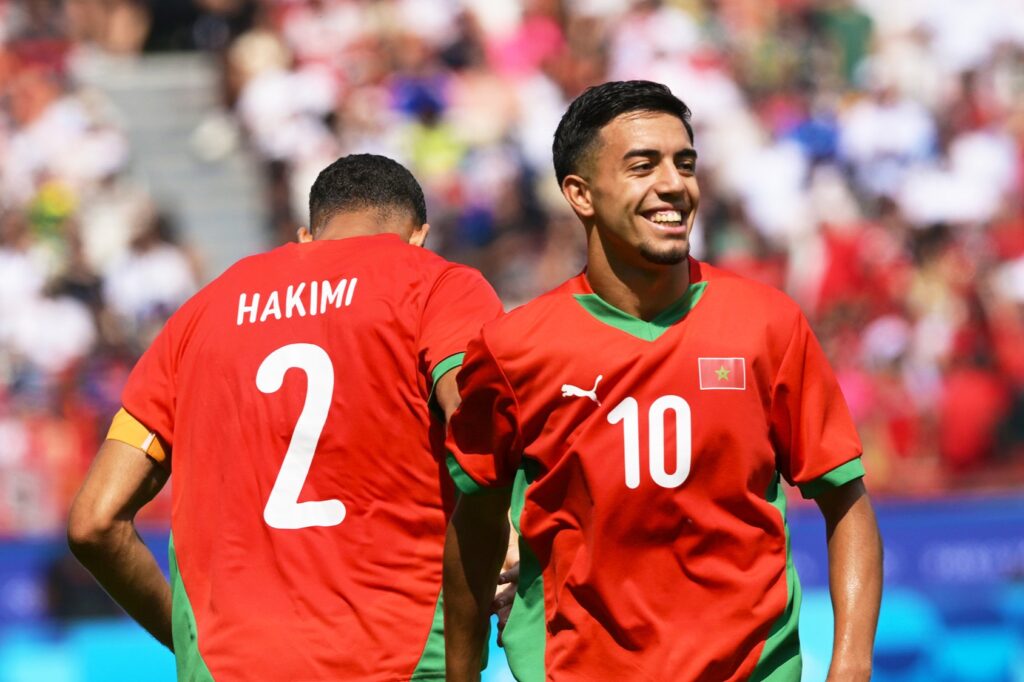
The national team’s recent achievements, including a historic bronze medal in the 2024 Paris Olympics and their performance in the 2022 FIFA World Cup, have also elevated the league’s profile. Many national team players are products of the Botola Pro, highlighting its role as a cornerstone of Moroccan football.
Challenges and Opportunities
Despite its progress, Moroccan football faces challenges, including:
Ensuring equitable access to facilities in rural areas.
Addressing financial disparities between clubs.
Balancing commercial interests with the need for grassroots development.
However, the opportunities for growth are immense. With continued investment and a passionate football culture, Morocco is poised to become a global football powerhouse.
Conclusion
The Moroccan national football league in 2025 exemplifies the country’s love for the sport and its commitment to excellence. From the professional heights of the Botola Pro to the grassroots energy of regional leagues, Moroccan football is a vibrant ecosystem that unites communities and inspires future generations.
As the nation continues to shine on the international stage, its domestic leagues remain the beating heart of its footballing success.