



CONTACT
  • Login
Upgrade
MAwebzine
Advertisement
  • Home
    • Contact
  • Lifestyle
    • Beauty
    • Culture
    • Interior Decoration
    • Sustainable fashion
  • Well-being
  • Entertainment
  • Sports
  • Gastronomy
    • Restaurants in Morocco
  • Travels
    • Hotels in Morocco
    • Travel Agencies in Morocco
  • Business
    • B2B in Morocco
  • World
  • Home
    • Contact
  • Lifestyle
    • Beauty
    • Culture
    • Interior Decoration
    • Sustainable fashion
  • Well-being
  • Entertainment
  • Sports
  • Gastronomy
    • Restaurants in Morocco
  • Travels
    • Hotels in Morocco
    • Travel Agencies in Morocco
  • Business
    • B2B in Morocco
  • World
No Result
View All Result
MAwebzine
No Result
View All Result
Home Business

Tackling water scarcity in Morocco: a turn to seawater desalination

As Morocco embraces desalination to tackle its water crisis, it serves as a model for other arid nations facing similar challenges

January 9, 2025
in Business
0
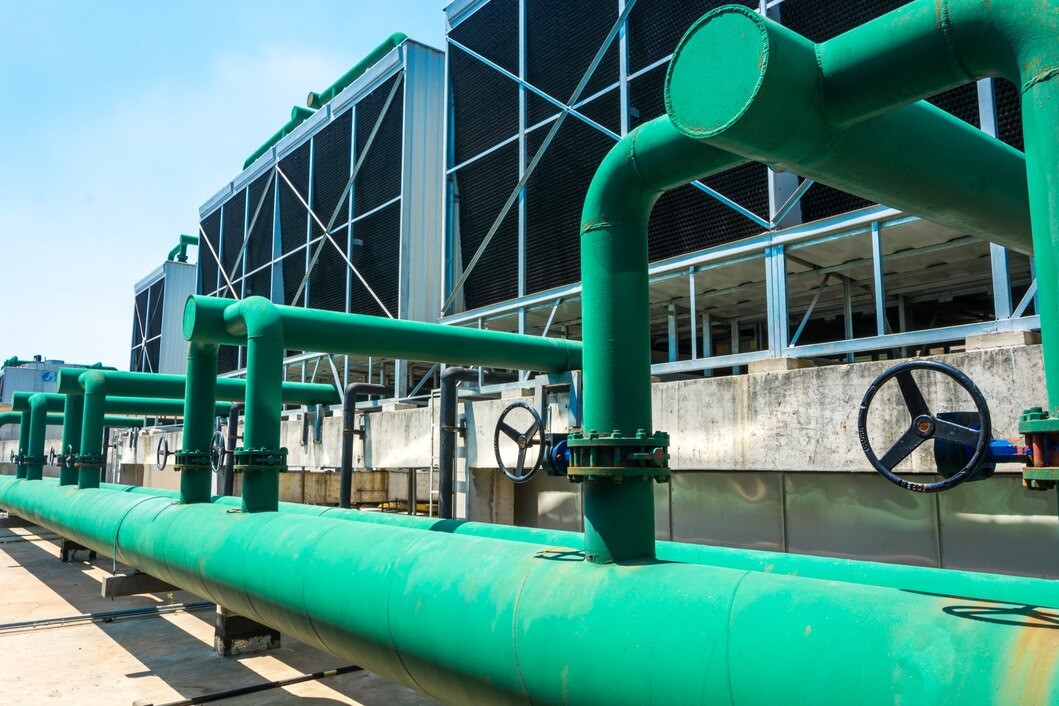
Seawater Desalination Morocco Today
0
VIEWS

Morocco is facing an escalating crisis: chronic droughts and growing pressure on its water resources. With an arid climate and increasing demands for water from agriculture, industry, and a growing population, the country has no alternative but to embrace seawater desalination on a large scale. Among the various desalination methods, Morocco has opted for reverse osmosis technology, a choice driven by energy efficiency and long-term sustainability.

The Water Crisis in Morocco

Over the past decade, Morocco has witnessed significant declines in its freshwater resources. Rainfall patterns have become increasingly erratic, and reservoirs are drying up at an alarming rate. The situation is exacerbated by the overextraction of groundwater and pollution of surface water, which leave many regions with insufficient and poor-quality water supplies.

Agriculture, which accounts for nearly 87% of the country’s water consumption, is particularly vulnerable. The water-intensive farming of crops such as citrus fruits and olives, vital to the Moroccan economy, is now under threat. Urban centers, too, are feeling the impact, with growing populations straining the capacity of municipal water systems.

In some cities, water rationing has already become a harsh reality. Given these challenges, Morocco’s government has recognized the urgent need for alternative solutions to secure the nation’s water future.

Business

Bugshan Announces New Hospitality Project in Casablanca

February 3, 2025

Why Reverse Osmosis?

In the face of these challenges, Morocco has chosen reverse osmosis (RO) as its primary desalination technology. RO works by forcing seawater through a semi-permeable membrane, separating salt and impurities from the water. While the process is energy-intensive, it offers several advantages that make it a compelling choice for Morocco:

Energy Efficiency

Modern RO plants consume significantly less energy compared to older desalination technologies, such as thermal distillation. Morocco’s focus on renewable energy, particularly solar and wind, aligns well with RO’s energy needs. By coupling desalination plants with renewable energy sources, the country can reduce operational costs and minimize its carbon footprint.

Scalability

RO technology is highly scalable, making it suitable for both small and large desalination projects. This flexibility allows Morocco to address regional water needs effectively.

Water Quality

The water produced through RO meets international drinking water standards, ensuring a reliable supply of high-quality water for both domestic and industrial use.

noor-noor-social-media-website-seo-content-virtual-assistance-link-building-2048x1364

Ongoing and Planned Projects

Morocco has already made significant strides in implementing desalination projects. The largest operational plant is located in Agadir, a coastal city heavily reliant on agriculture. This facility, powered by a combination of grid electricity and renewable energy, has a production capacity of 275,000 cubic meters per day, serving both agricultural and urban needs. Plans are underway to expand its capacity to 400,000 cubic meters per day.

Another flagship project is the upcoming desalination plant in Casablanca, which aims to be one of the largest in Africa. With a projected capacity of 548,000 cubic meters per day, the plant will address the water demands of the city’s growing population and industries. Additionally, smaller desalination plants are being developed in regions like Dakhla and Laâyoune, where freshwater resources are particularly scarce.

topchef chef restaurant kitchen gastronomy

This product has caught the attention of top chefs in 2024

February 2, 2025

In the world of haute cuisine, where innovation and refinement dictate trends, a single ingredient has captivated the attention of...

Top 5 Sports Icons in Morocco in 2025

Top 5 Sports Icons Living and Working in Morocco in 2025

January 27, 2025

Morocco is home to exceptional sports talents who inspire the nation with their remarkable achievements. In 2025, these five iconic...

music scene morocco today 2025

The Modern Music Scene in Morocco: A Fusion of Tradition and Innovation

January 27, 2025

Morocco's modern music scene is a vibrant and dynamic space that bridges the gap between deep-rooted traditions and contemporary global...

Four habits of highly intelligent people

Four habits of highly intelligent people: subtle signs of high potential

January 27, 2025

People with high intellectual potential often exhibit habits that might seem ordinary but are actually reflections of their intelligence. These...


Challenges and Opportunities

While desalination offers a viable solution, it is not without challenges. The high initial investment required for desalination plants is a significant barrier, particularly for a developing economy like Morocco. Moreover, the environmental impact of brine discharge—a byproduct of the desalination process—poses risks to marine ecosystems if not properly managed.

To mitigate these issues, Morocco is exploring innovative approaches. For instance, brine management strategies, such as dilution and repurposing for industrial applications, are being studied. Additionally, Morocco’s commitment to expanding its renewable energy capacity is crucial to reducing the environmental and financial costs of desalination.

Seawater Desalination Morocco Today 2025

A Blueprint for the Future

As Morocco embraces desalination to tackle its water crisis, it serves as a model for other arid nations facing similar challenges. The integration of renewable energy with advanced desalination technology not only ensures water security but also supports the country’s broader goals of sustainable development.

By investing in seawater desalination and innovative solutions, Morocco is turning its water scarcity into an opportunity for growth and resilience. As these efforts continue, the country is poised to secure a more sustainable and water-abundant future for its people and economy.

Tags: seawater desalinationwaterwater crisis
Previous Post

Junk food is experiencing a worrying increase in Morocco

Next Post

Inner Moroccan beauty: a radiance that comes from the soul

Related Posts

Bugshan-Marriott
Business

Bugshan Announces New Hospitality Project in Casablanca

February 3, 2025
Pressure on red meat supply - will Eid al-Adha be celebrated in 2025
Business

Pressure on red meat supply: will Eid al-Adha be celebrated in 2025?

January 27, 2025
volkswagen morocco NEW_TIGUAN_MY24
Business

Volkswagen Tiguan, Car of the Year 2025 in Morocco

January 26, 2025
Barid Al-Maghrib solidifies its leadership in digital trust services
Business

Barid Al-Maghrib solidifies its leadership in digital trust services

January 22, 2025
Anti-Atlas unveils significant new copper and gold resources
Business

Anti-Atlas unveils significant new copper and gold resources

January 19, 2025
Next Post
Inner beauty -a radiance that comes from the Moroccan soul

Inner Moroccan beauty: a radiance that comes from the soul

Leave a Reply Cancel reply

Your email address will not be published. Required fields are marked *

Premium Content

The year 2025 promises to be rich in stylistic innovations for men's fashion

The 15 most beautiful outfits for men in 2025

January 15, 2025
Pressure on red meat supply - will Eid al-Adha be celebrated in 2025

Pressure on red meat supply: will Eid al-Adha be celebrated in 2025?

January 27, 2025
Turmeric, a spice with multiple benefits for the body and mind

Turmeric: a spice with multiple benefits for the body and mind

January 17, 2025

Browse by Tags

2025 artisans Atlas Aït Benhaddou beauty beauty salons Casablanca challenge Chefchaouen culture development digital revolution Essaouira fashion Fes festivals food football gastronomy health interior life Marrakech Meknes mental health modern Moroccan cuisine moroccan women museums music news Ouarzazate physical health Premium Rabat retirees Sahara sports sustainable tourism traditions travels trends UNESCO woman

MAwebzine is a multilingual online magazine that offers a wide range of news, insights, tips, and more from Morocco. It caters to Moroccans as well as anyone with a love for Morocco.

Recent Post

  • Morocco strengthens its tourism leadership with enhanced connectivity

© 2025 MAwebzine by NOOR & NOOR.

Welcome Back!

Login to your account below

Forgotten Password?

Retrieve your password

Please enter your username or email address to reset your password.

Log In
No Result
View All Result
  • Home
    • Contact
  • Lifestyle
    • Beauty
    • Culture
    • Interior Decoration
    • Sustainable fashion
  • Well-being
  • Entertainment
  • Sports
  • Gastronomy
    • Restaurants in Morocco
  • Travels
    • Hotels in Morocco
    • Travel Agencies in Morocco
  • Business
    • B2B in Morocco
  • World

© 2025 MAwebzine by NOOR & NOOR.

Are you sure want to unlock this post?
Unlock left : 0
Are you sure want to cancel subscription?